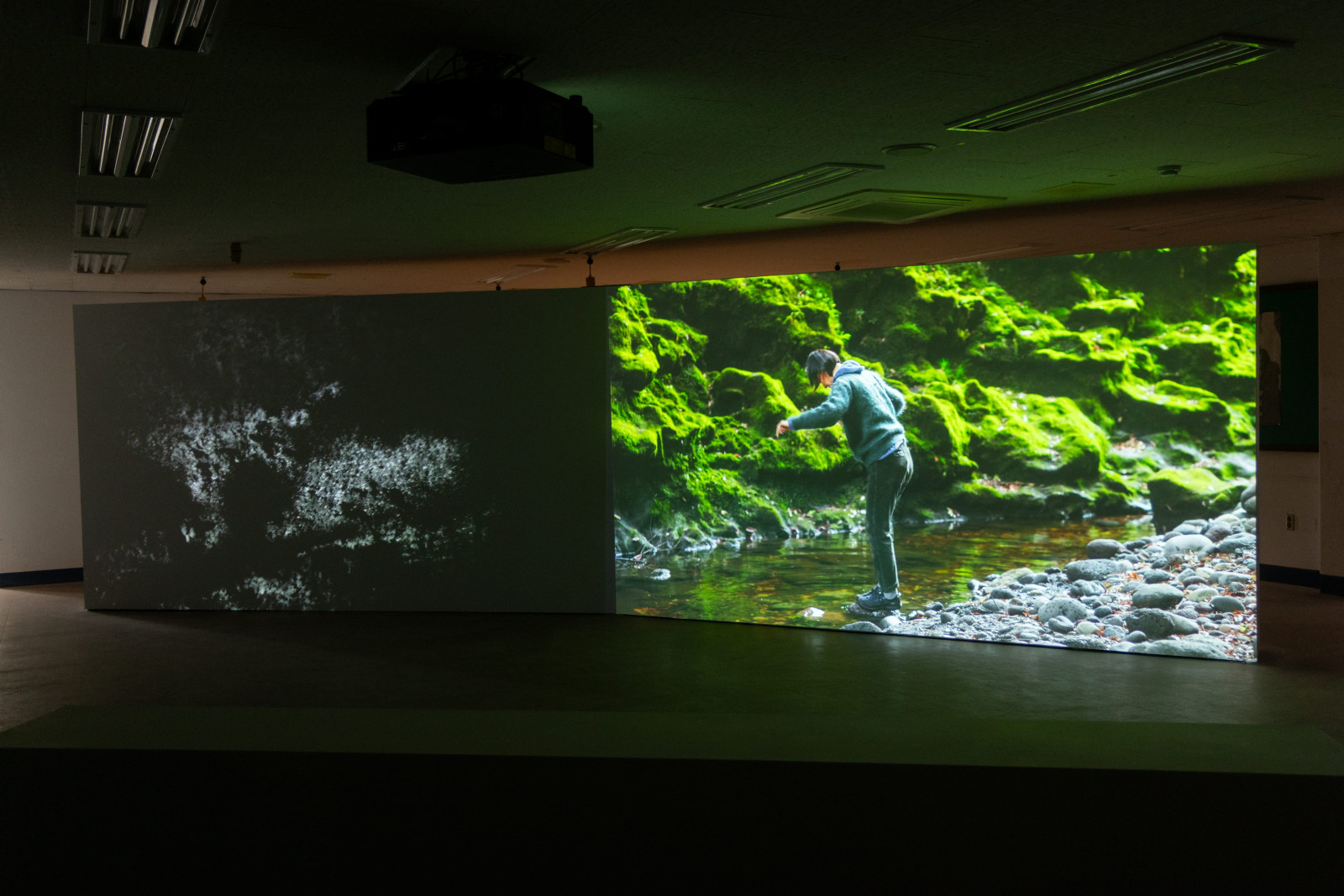
Sungeun Kim, Silence Traces Water Beneath, 2026, two-channel screen installation with stereo sound and a speaker-based sound component; single-channel monitor-based video; a sound archive from the collaborative research process with an accompanying printed zine, two-channel screen installation: 50 min, single-channel monitor video: 40 min.
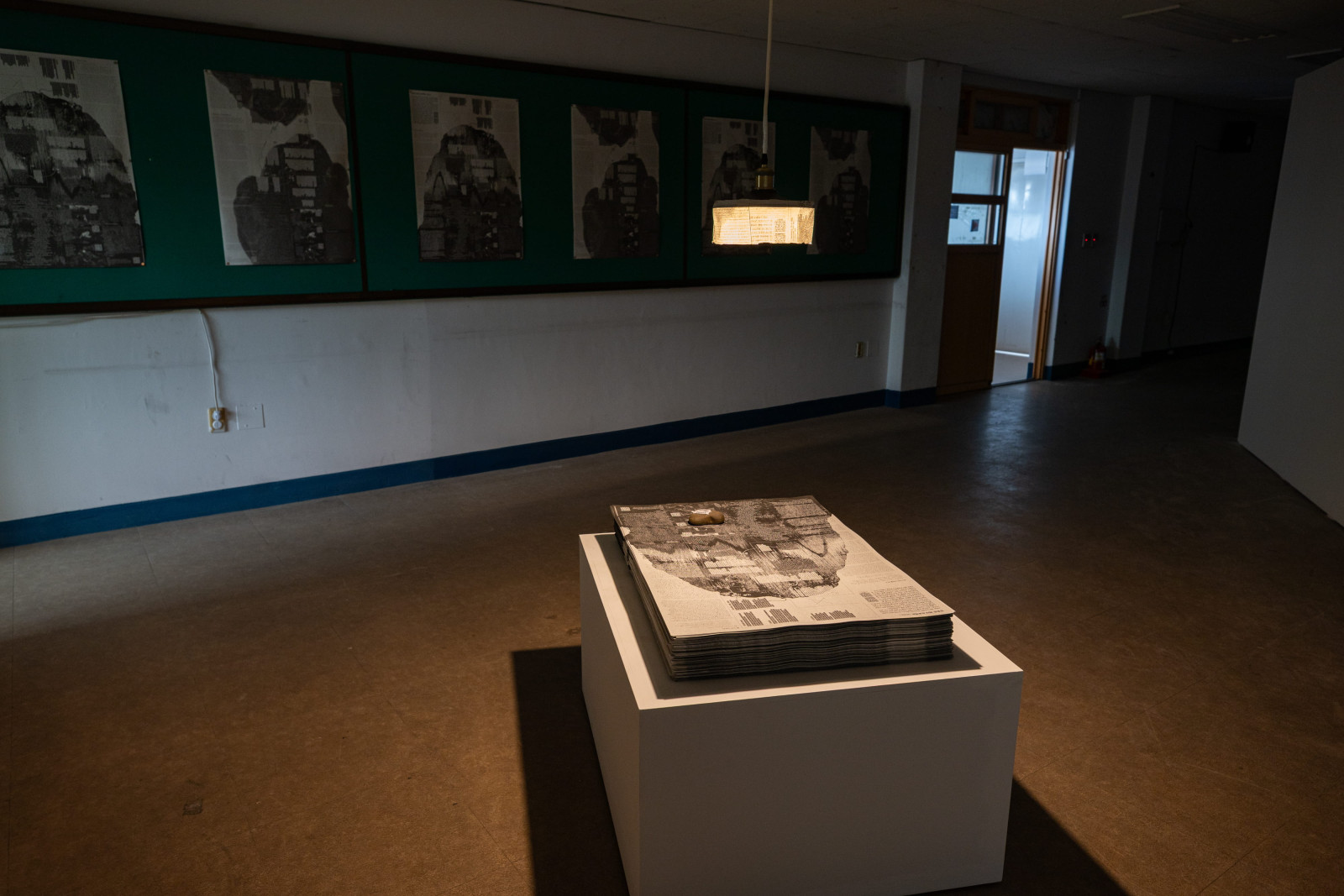
Sungeun Kim, Silence Traces Water Beneath, 2026, two-channel screen installation with stereo sound and a speaker-based sound component; single-channel monitor-based video; a sound archive from the collaborative research process with an accompanying printed zine, two-channel screen installation: 50 min, single-channel monitor video: 40 min.
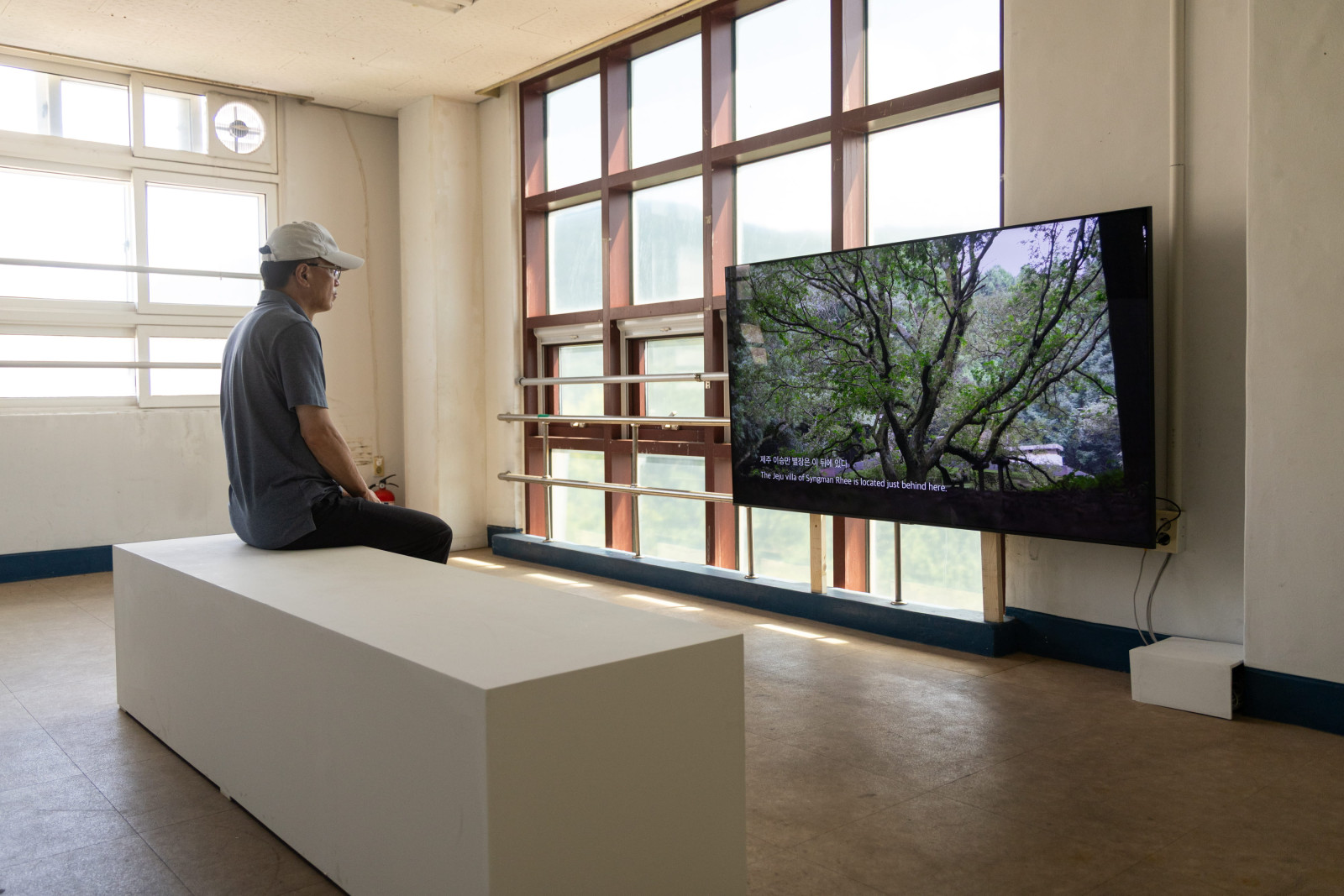
Sungeun Kim, Silence Traces Water Beneath, 2026, two-channel screen installation with stereo sound and a speaker-based sound component; single-channel monitor-based video; a sound archive from the collaborative research process with an accompanying printed zine, two-channel screen installation: 50 min, single-channel monitor video: 40 min.
Sungeun Kim



Sungeun Kim’s Silence Traces Water Beneath begins with groundwater flowing under Jeju Island. Groundwater is usually invisible and almost impossible to hear. Because of this, we often forget that it is there. But beneath our feet, water continues to move slowly through caves, lava passages, dry riverbeds, and springs.
Since 2023, Kim has been following the traces and sounds of groundwater across Jeju. Her research began with a simple question: how can we listen to groundwater? Over time, this question became not only about recording sound, but also about changing the way the body listens. To listen to water, the artist suggests, we may need to slow down and turn our attention toward what is hidden, delayed, or difficult to understand. In Jeju, these underground water paths are connected to many layers of history. They flow beneath military bases, tourist sites, roads, and landscapes marked by development. Along these paths, Kim encountered memories of the Jeju April 3rd Uprising and Massacre, the voice of a haenyeo, a female sea-diver, threatened wetlands, and places reshaped by military and resource extraction.
This installation does not present itself as a finished work. Instead, it opens up the research process through screens, monitors, and sound. Visitors are invited to move through fragments, traces, and echoes. Rather than offering a clear explanation, the work asks us to listen to what remains submerged beneath the surface.