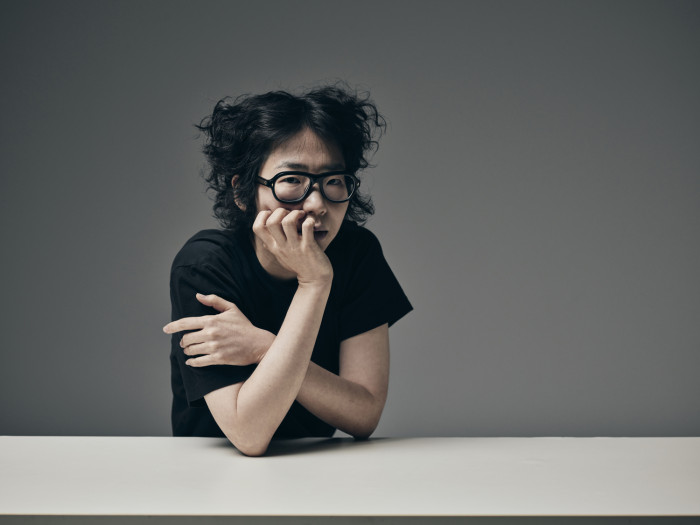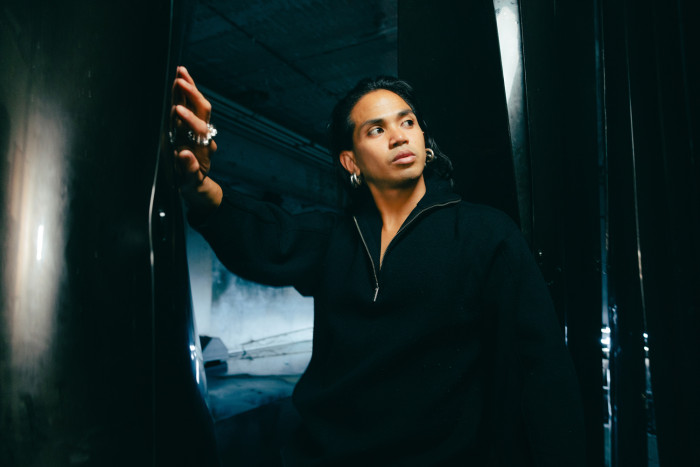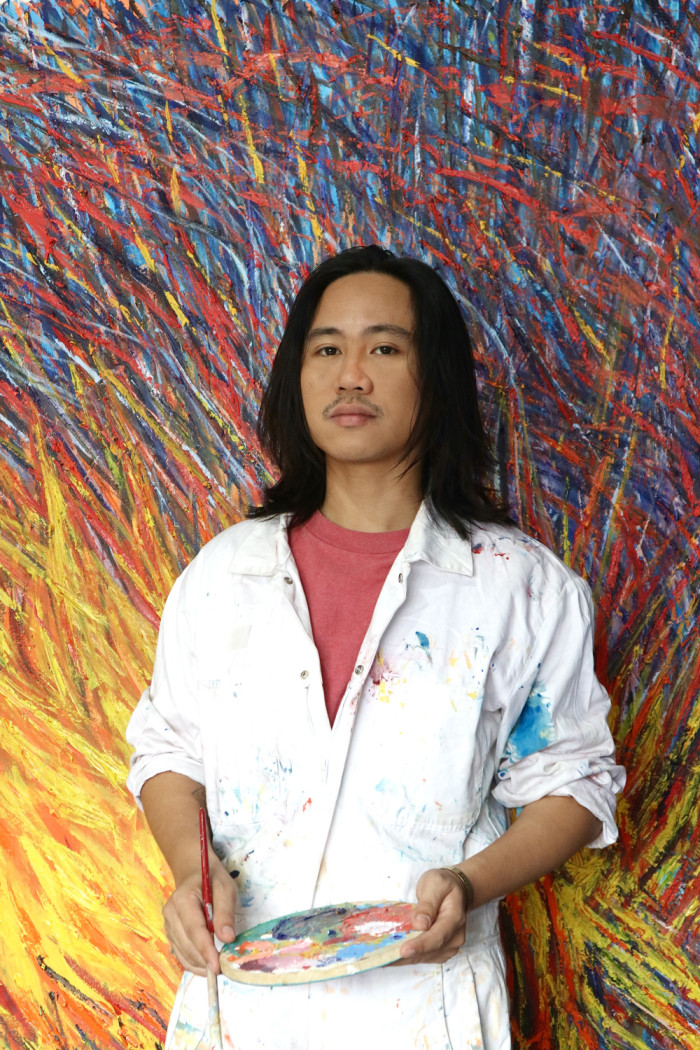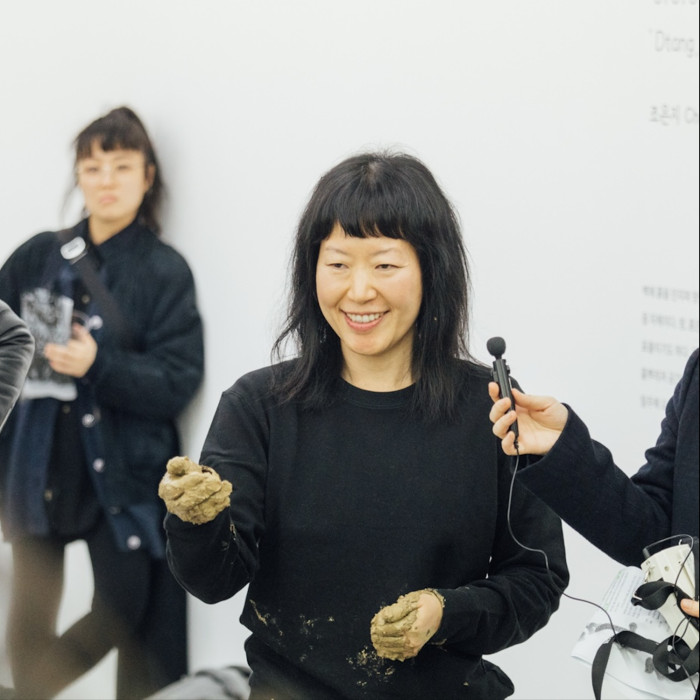
Long before language was disciplined into order, there was vibration: sound carried by water, air, and bodies moving together. Dissident Chorus begins from this premise that sound, like water, resists containment, erodes borders, and carries memory without permission. Busan Biennale 2026 looks at how waves and frequencies between the sea, human and non-human bodies attune to each other, investigating how embodied and sonic practices can become tools for communication, healing, and resistance.
We return to language’s potential to hold ambiguity, complexity and secrets, to be more unruly than words. Language is not only the domain of grammar and sanctioned speech, it lives in gesture, breath, rhythm, and the tremble of bodies held in proximity. It is a living force, capable of revolt and of collapse.
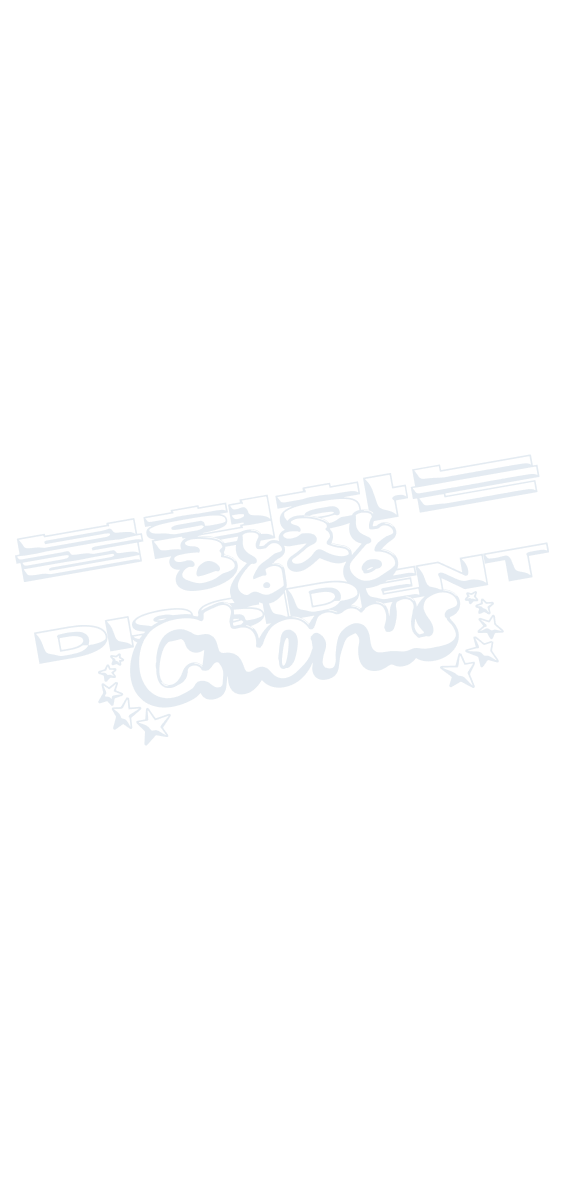
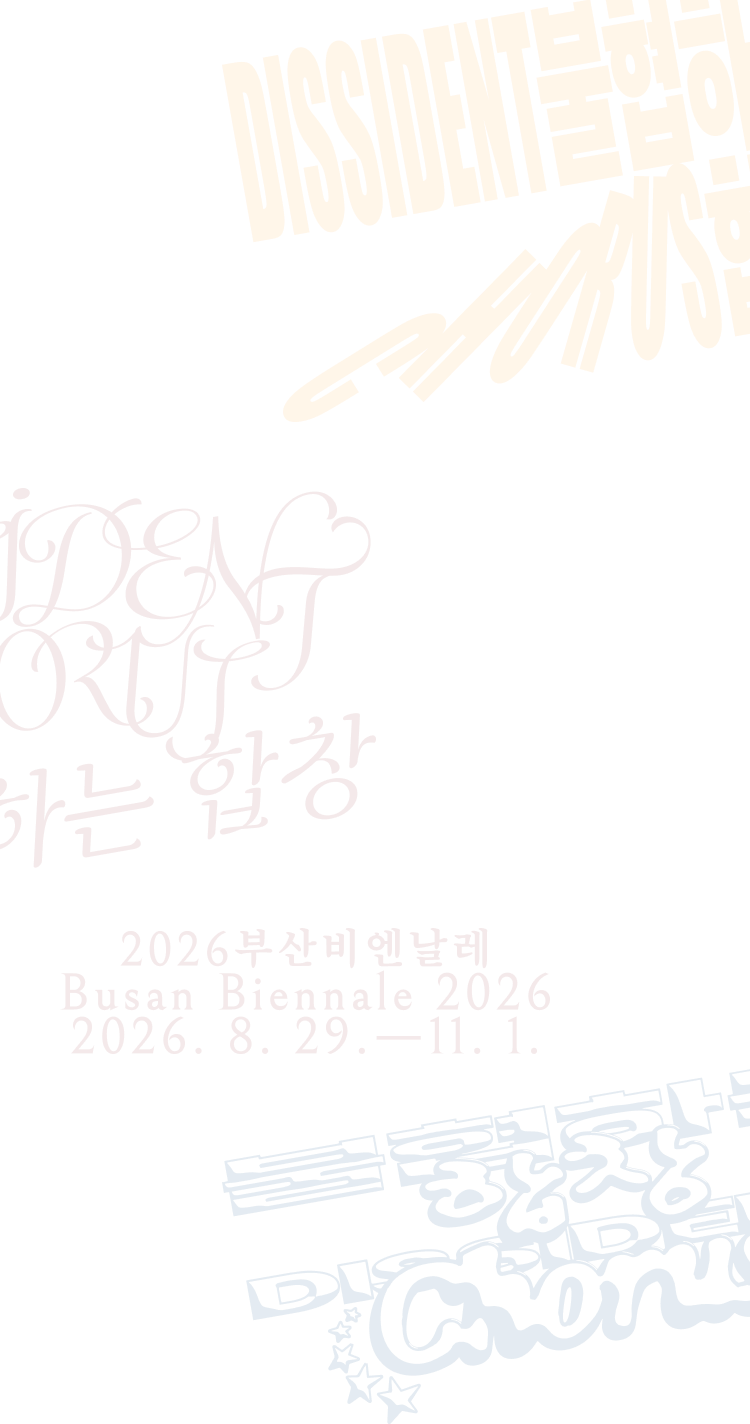
The key visual for Busan Biennale 2026 starts from the visual language of the street, including flyposting and club flyers commonly encountered in urban settings. Rather than a design refined by a singular order or system, the key visual for this year’s Busan Biennale focuses on the non-institutional, visual structures of cities, which are formed through the overlapping and collision of diverse modes of expression. Grounded in the concept of polyphony—and mirrored in the exhibition’s theme, “Dissident Chorus” —the key visual is realized as a type of “chorus” in which a single message is varied through myriad voices.
The dark background of the image is conceived as a stage upon which diverse graphic elements speak out. Across this background, twelve distinct typographic styles are repeatedly arranged and layered, with a pastel color system emerging subtly against the dark stage that simultaneously reveals coexistence and tension among the disparate elements.
Meanwhile, the informational text for the exhibition is set in a comparatively refined typeface, creating a contrast with the freely varied typography and establishing visual balance within the overall composition.
At the heart of the main visual for Busan Biennale 2026 is its expandability. The design asset will be made publicly available for anyone to use, allowing outcomes reproduced in different contexts to accumulate as additional “voices.” As this process gains traction over time, it will operate as one layer in the formation of a collective chorus for Busan Biennale 2026.
And more
Phase 1: 2026. 7. 10. (Fri) 9:00 – 7. 24. (Fri) 23:59
Phase 2: 2026. 8. 14. (Fri) 9:00 – 8. 28. (Fri) 23:59
On/Offline: 2026. 8. 29. (Sat) – 11. 1. (Sun)
Fall in line with cancellation and refund policy.
Long before language was disciplined into order, there was vibration: sound carried by water, air, and bodies moving together. Dissident Chorus begins from this premise that sound, like water, resists containment, erodes borders, and carries memory without permission. Busan Biennale 2026 looks at how waves and frequencies between the sea, human and non-human bodies attune to each other, investigating how embodied and sonic practices can become tools for communication, healing, and resistance.
We return to language’s potential to hold ambiguity, complexity and secrets, to be more unruly than words. Language is not only the domain of grammar and sanctioned speech, it lives in gesture, breath, rhythm, and the tremble of bodies held in proximity. It is a living force, capable of revolt and of collapse.
Today, public discourse is increasingly instrumentalised: emptied through repetition, moral euphemisms and algorithmic distortion. Omar El Akkad names this condition precisely: language under empire does not fail, it functions. It sanitises violence, converts devastation into acceptable terminology, conscripts meaning into the service of power. Amidst these ruins, we can turn to our voices and bodies as alternative political registers. Collective sounding takes on renewed urgency, reminding us that autonomy is not only articulated through speech but also through presence.
Following Judith Butler’s notion of “bodies in alliance,” political agency emerges when we appear together. Protest is not simply representation; it is appearance — bodies assembling in time and space, often temporarily, insisting on their right to be seen, heard, and felt. Sound becomes the connective tissue of this assembly: synchronising breath and organising collectivity, something youth culture has consistently understood. From rave and graffiti cultures to contemporary street protests, youth-led movements have used sound where speech is policed and rhythm where language is exhausted. Political possibilities persist as echo, beat, and repetition. Dissident Chorus seeks to honour the legacies of music and clubbing which are intertwined with struggles of liberation; legacies that, whilst they are under threat, have never disappeared, but continue to be reinvented and protected by the very communities that first brought them into being. We turn to stories which emerged in subaltern contexts, in hidden and secretive environments, at night and in temporary autonomous zones, to explore individual and collective ways of becoming.
Busan provides a critical context for this exploration. As Korea’s principal port city and provisional capital during the Korean War, Busan has long been shaped by movement, fugitivity, and endurance. The city carries sonic history within its harbours. Work songs and protest songs, as archived by Kim Young Goo in Busan’s House of Korean Protest Songs were sung by those who sustained construction, trade, and the harvesting of the sea: labour laying the foundations for Korean economic development. Shamanic song (mu-ga) echoes alongside these songs, drawing on rhythmic drumming, seasonal cycles, and call-and-response with the unseen. Like work songs, these are survival technologies, synchronising bodies, summoning energy, and mediating between the human, the spiritual, and the sea. Together, they reveal sound as both survival and relation. To gather in Busan is to stand on ground that has always known sound’s organising power.
In 2011, labour activist Kim Jin-Suk held a 309-day sit-in on a 35m high crane in the Busan port protesting worker lay-offs by her anti-union employer. She was joined by supporters on the ground, transforming her solitary protest into a collective act of resistance. Korean modern history, from the April Revolution to the Bu-Ma Uprising, the candlelight protests of 2016–2017, and the 2024 rallies illuminated with K-pop light sticks, resisting martial law, demonstrates how sound, assembly, and persistence can overpower authoritarian spectacle.
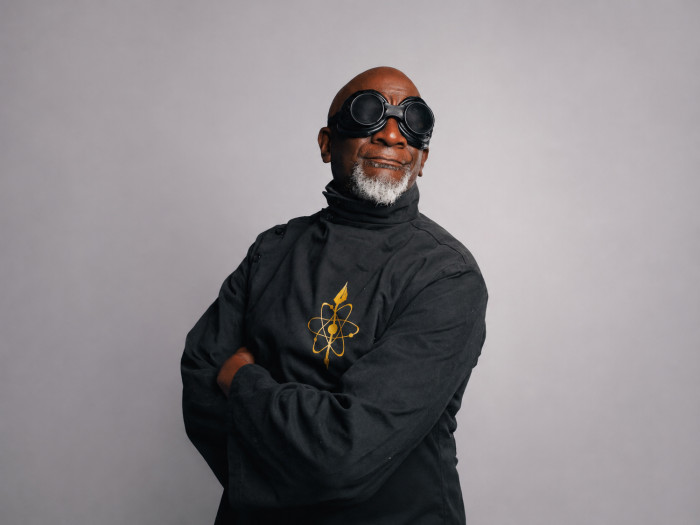
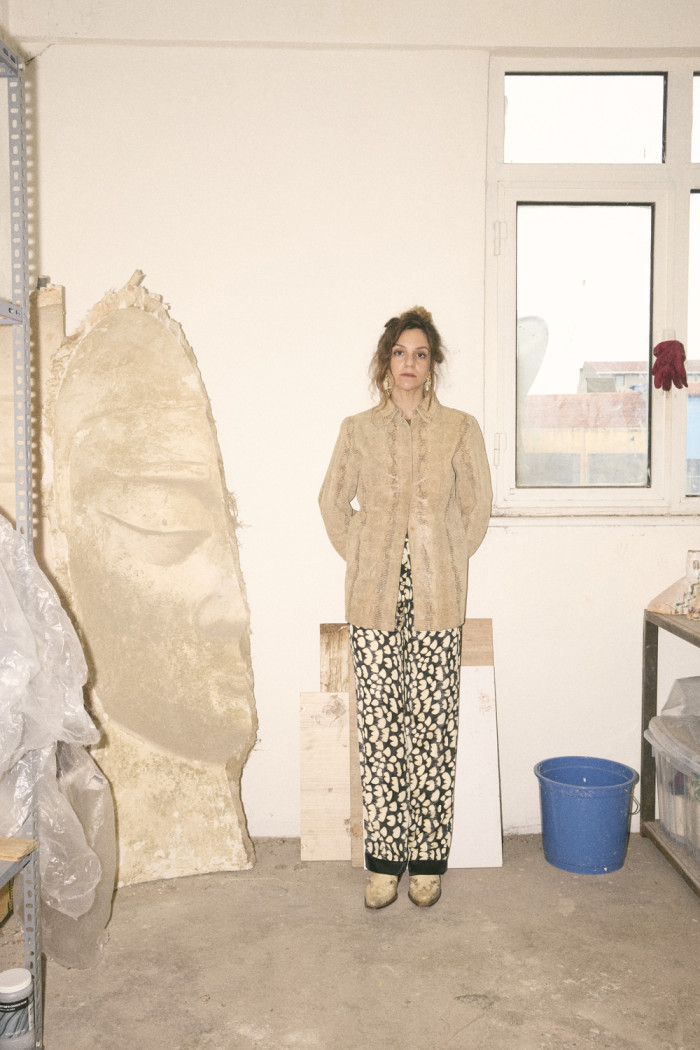
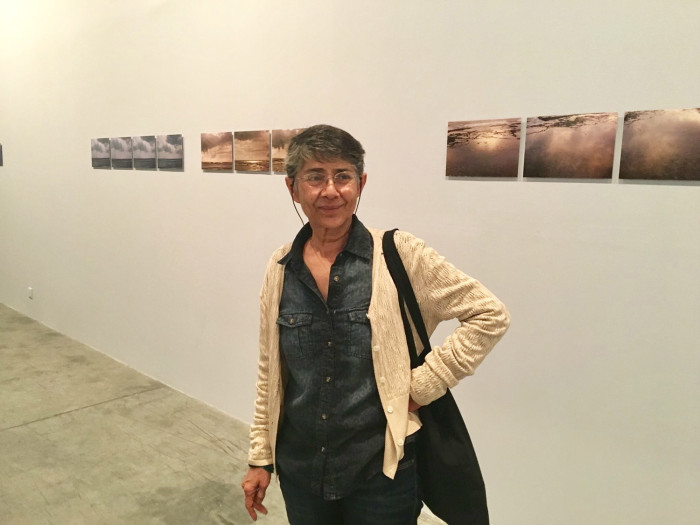
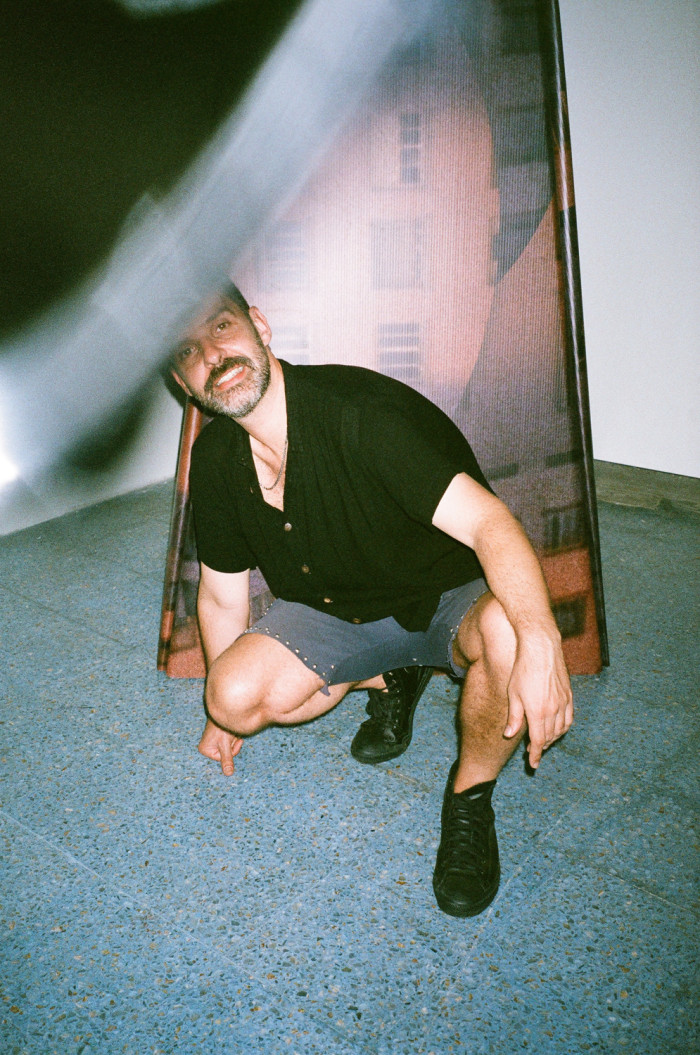
The artists gathered in Dissident Chorus work within this lineage. Across installation, sound, performance, moving image, sculpture, painting and drawing, they treat sound as material, body as archive, and assembly as political form. Their practices are unique technologies and offerings manifesting as stories, songs, scores, radio broadcasts, maps and spaces for resting, singing, listening and learning together. Their assembly in Busan resonates with what Fred Moten and Stefano Harney describe as “the break”: a fugitive, improvisational space within and against dominant structures, not an interruption, but a generative rupture.
Dissident Chorus presents a field of resonances, a chorus without conductor, a messy aligning of bodies and artistic practices. It invites audiences to tune into what persists beneath official narratives: the frequencies of lullabies, labour songs, protest chants, jamsugut, samulnori and hurisori, laments, protective spells and of club sounds and solidarity that continue to circulate even when language fails. Dissident Chorus moves like sound: appearing, disappearing, and returning, refusing silence, insisting on presence, and carrying the possibility of another future forward.