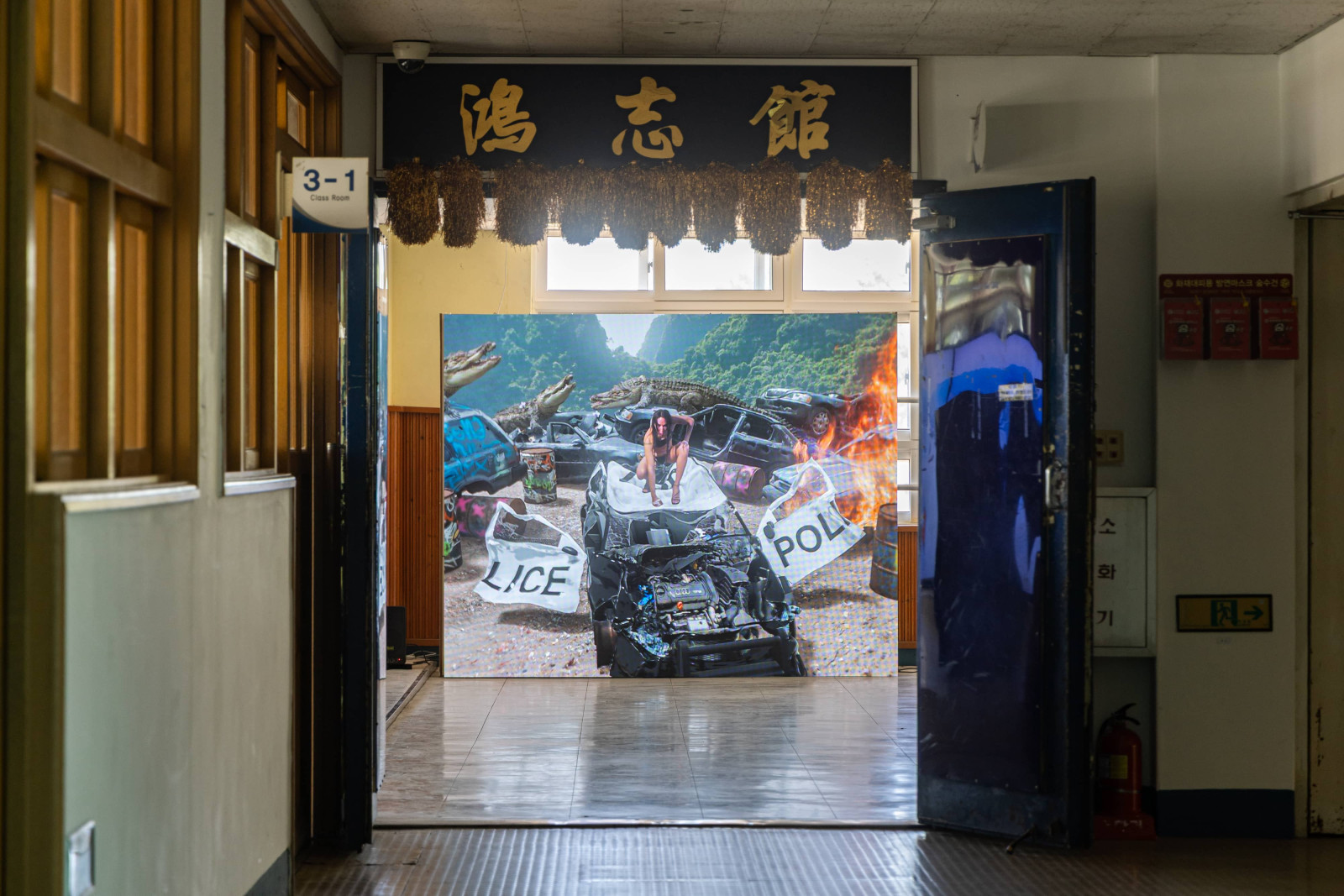
Bhenji Ra, Learning to Dance in Flames, 2026, thirty-one-channel video installation, color, sound; volcanic rocks, dimensions variable, 20 min (varying across the installation). Commissioned by Busan Biennale Organizing Committee, 2026.
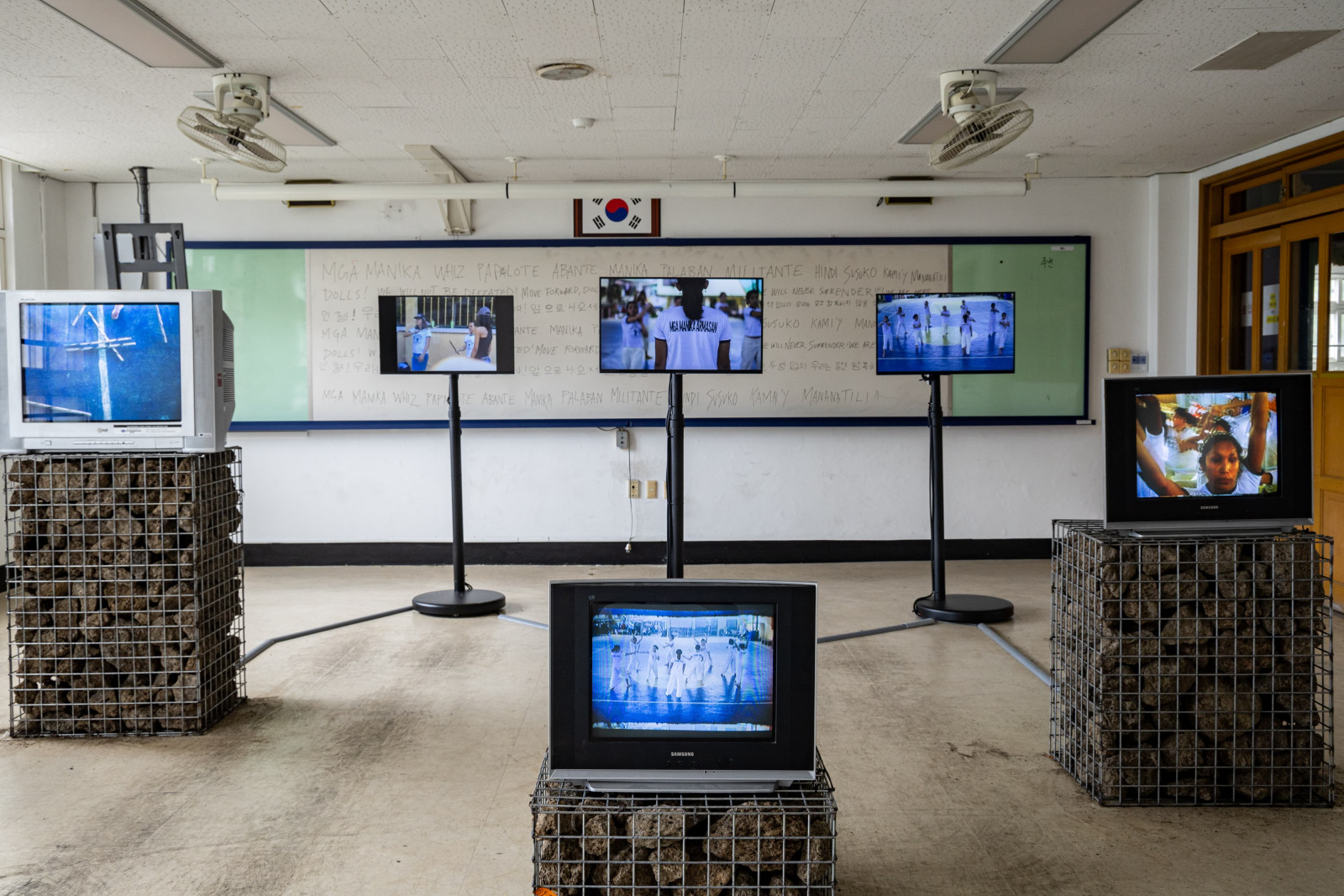
Bhenji Ra, Learning to Dance in Flames, 2026, thirty-one-channel video installation, color, sound; volcanic rocks, dimensions variable, 20 min (varying across the installation). Commissioned by Busan Biennale Organizing Committee, 2026.
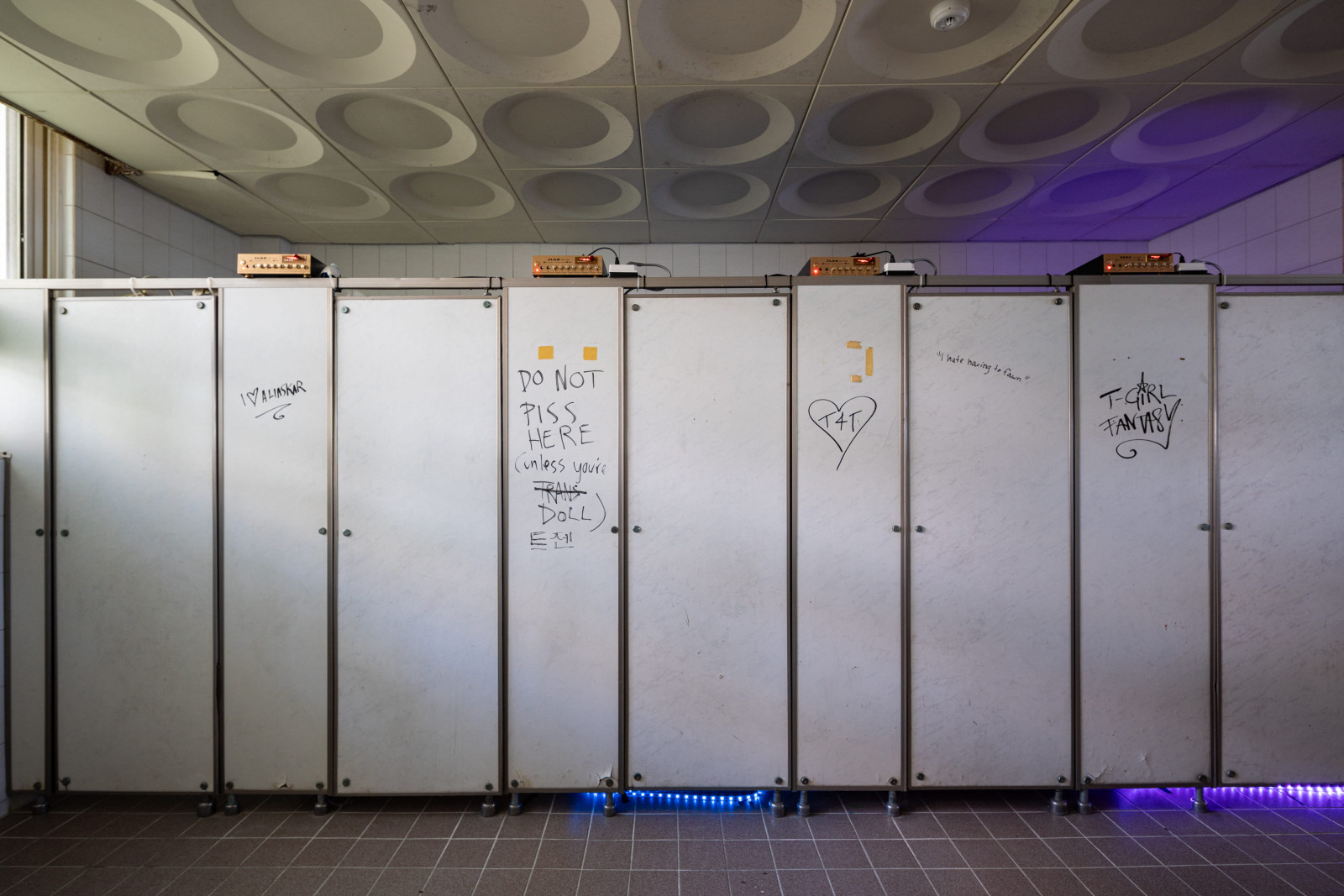
Bhenji Ra, Learning to Dance in Flames, 2026, thirty-one-channel video installation, color, sound; volcanic rocks, dimensions variable, 20 min (varying across the installation). Commissioned by Busan Biennale Organizing Committee, 2026.
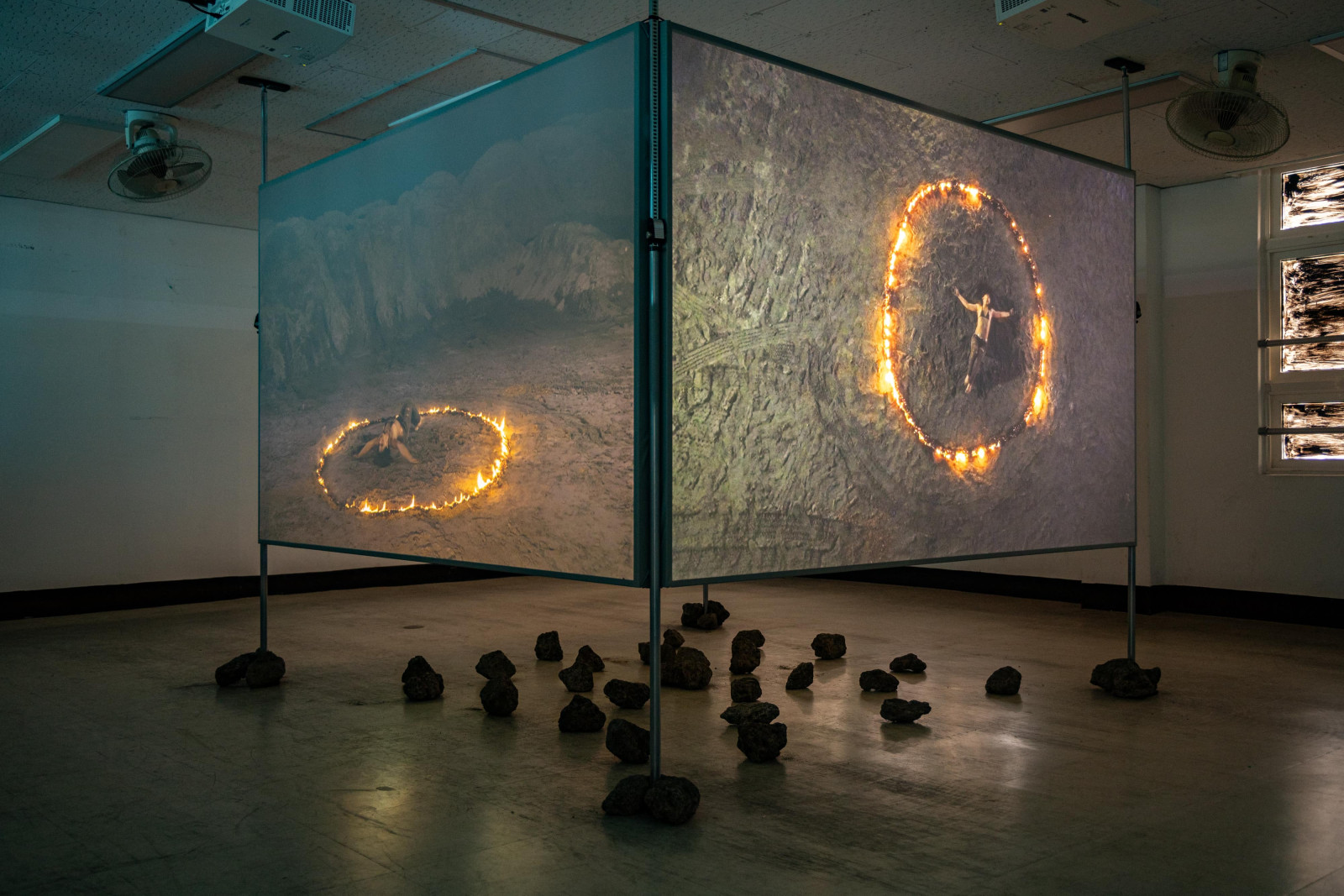
Bhenji Ra, Learning to Dance in Flames, 2026, thirty-one-channel video installation, color, sound; volcanic rocks, dimensions variable, 20 min (varying across the installation). Commissioned by Busan Biennale Organizing Committee, 2026.
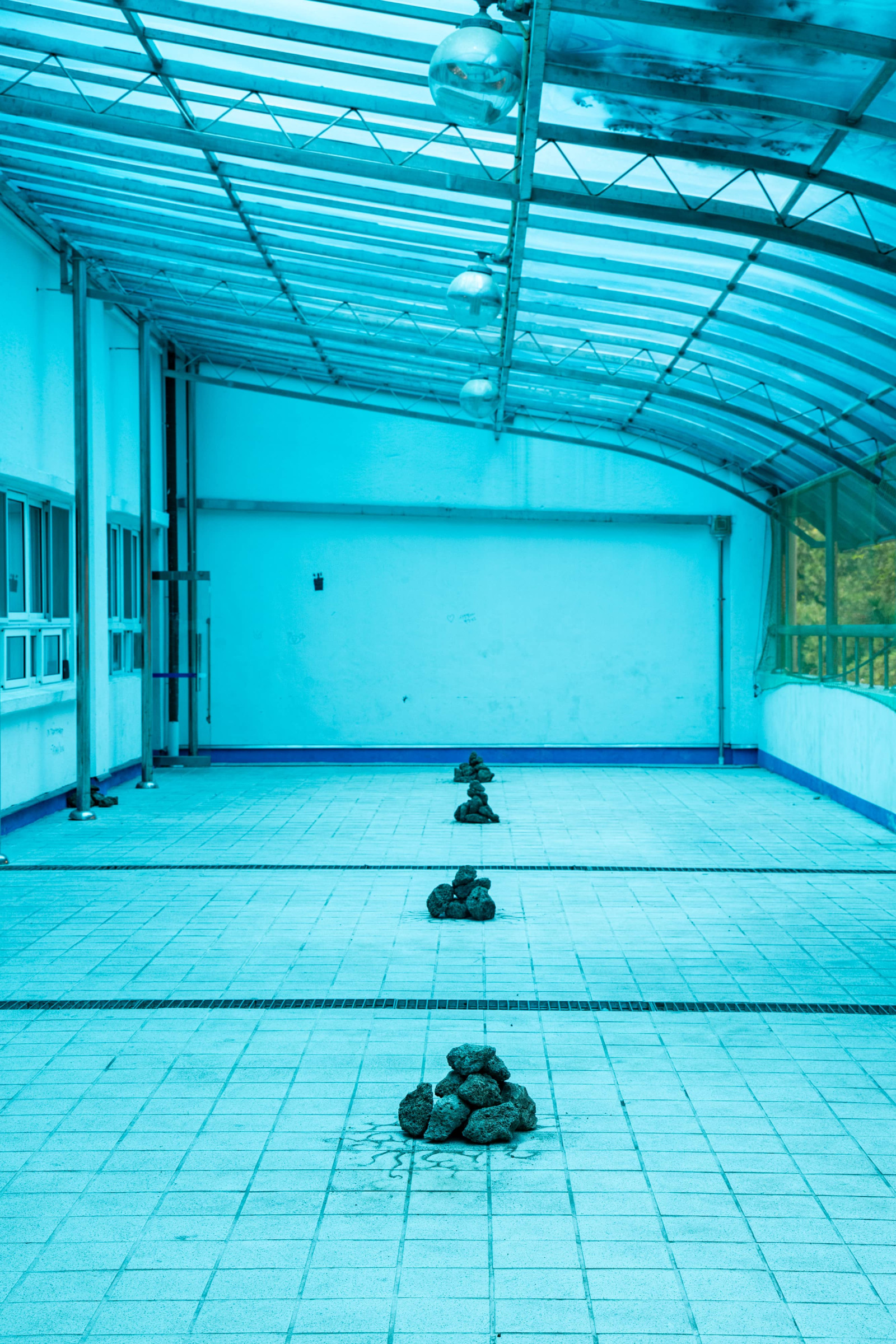
Bhenji Ra, Learning to Dance in Flames, 2026, thirty-one-channel video installation, color, sound; volcanic rocks, dimensions variable, 20 min (varying across the installation). Commissioned by Busan Biennale Organizing Committee, 2026.
Bhenji Ra


Learning to Dance in Flames is a site-responsive installation that occupies the abandoned classrooms and corridors of a former high school in Busan. The installation distributes the film across multiple spaces, inviting visitors to explore it by walking through the building rather than following a linear narrative. The school itself becomes an active collaborator: a place once dedicated to discipline and instruction is transformed into a space where other forms of knowledge can emerge. Situated within this setting, the work asks what it means to unlearn inherited systems of discipline, silence, and separation in order to imagine new ways of being with one another.
Throughout the installation, transgender, Indigenous, and queer communities are presented not as subjects to be studied, but as teachers, guides, and custodians of ways of living otherwise. Here, knowledge is carried through dance, storytelling, ritual, and the body itself, offering lessons that cannot be contained within conventional classrooms.
Bhenji Ra presents fire as a central force throughout the installation, symbolising not only destruction but also transformation, rehearsal, and renewal. As audiences move through the floor, they encounter a collective language of resistance grounded in kinship. Rather than presenting education as the transmission of fixed knowledge, Learning to Dance in Flames understands learning as a practice of becoming, of disciplining ourselves out of institutions and into relationships.